
Your Financial Advisor Makes Less Money If You're Happy Now
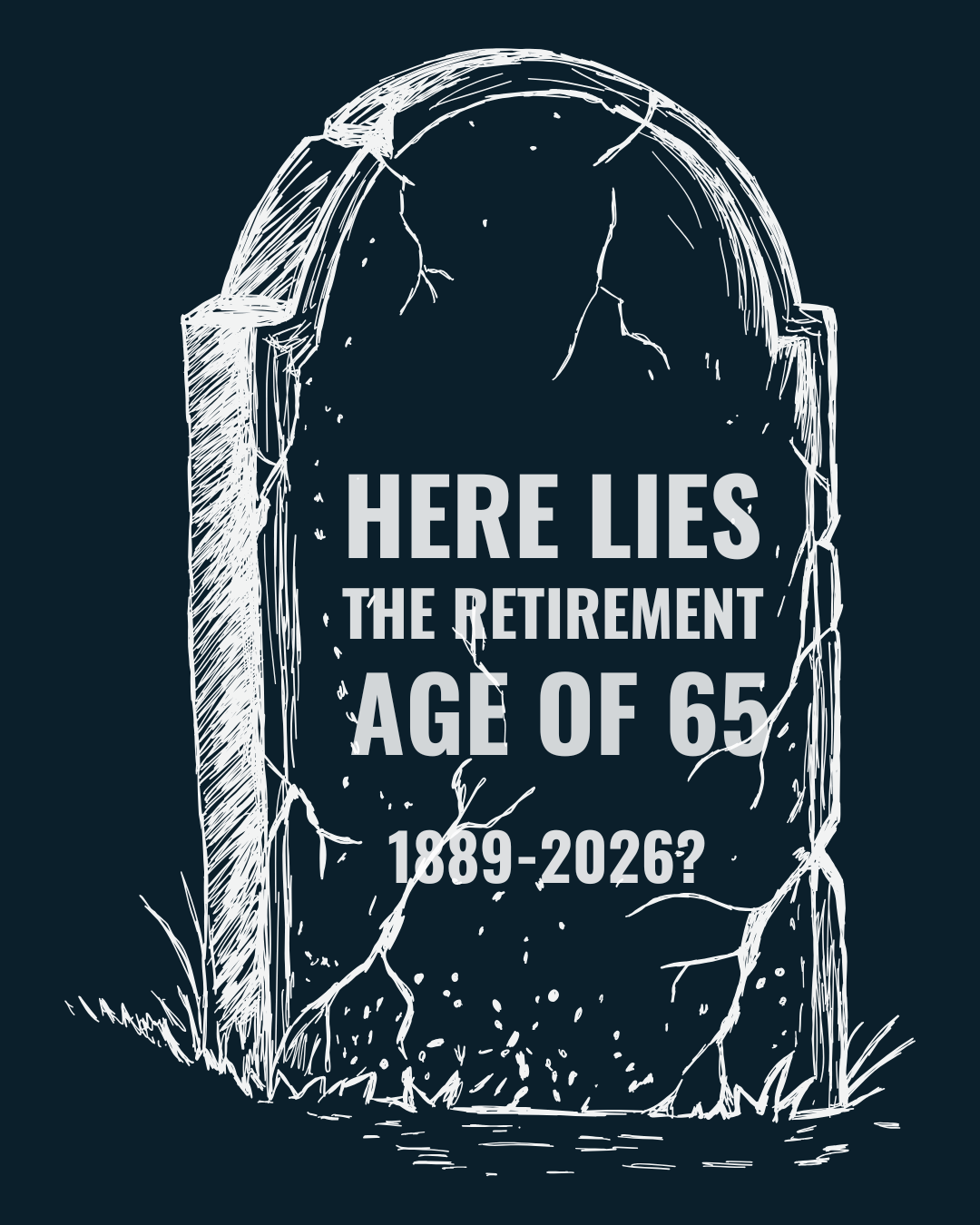
The concept of retirement was established in the late 1800s, and 65 was chosen as the age to begin receiving benefits because that was roughly the age people were expected to die.
Fast forward to today, and 65 is still the de facto retirement age despite life expectancy being significantly higher. Why?
Trying to save enough money by 65 to last until 85, 95, or longer is causing tremendous unnecessary stress and is a breeding ground for future regrets. People are sacrificing their health, key relationships, and happiness in the name of cramming to hit their “number." And for what?
More people are returning to work after they retire — not because they need the money, but because they miss the contribution and connection. There is also significant data showing we are more likely to get sick and die earlier when we check out entirely.
We were not put on this earth to work a job we don't like for 30 years just to earn the right to sit around and do nothing for 30 years after that.
Recognizing that you will likely work past 65 — especially doing work on your terms that you don't hate — directly correlates to not having to save as much right now. This realization can help someone see they have more money and more time than they previously thought.
In my book, I shared the story of a 45-year-old named Tony who was told he'd have to save 20% of his income to stop working at 65. When he realized he'd likely be unhappy not working at all, he asked his advisor to run the numbers for retiring at 75. The amount he needed to save dropped by 96%. That is not a typo. Even planning for 70 would reduce his required savings by 75%.
So why is 65 still the recommended retirement age?
I believe one reason is that the financial industry is incentivized to promote this narrative. Whenever I get advice about anything, I always ask,
"Does this person make money by having this opinion?"
If every advisor had a conversation with their clients that led to them planning to work until 70 instead of 65, that would translate into a lot less money flowing into the portfolios they manage.
I am not suggesting financial advisors have been indoctrinated into some master plan. However, in the best-case scenario, you can see why the potential for a 75% reduction in inflows might shield them from considering a different perspective.
I'd love to see more financial advisors creating space for a bigger conversation. The industry is almost exclusively focused on planning for the future, and it would be nice if advisors used the trust they've earned to help their clients plan for a better life later and now.
It won't matter if you've saved enough for retirement if your marriage is broken because you never went on dates, or your health is poor because you never prioritized sleep or exercise.
